Essential Equipment for Paranormal Investigation: Tools of the Trade for Investigators and Parapsychologists
- Dr. A.H. Clark-Smith PHD, CET, CPI
- Apr 27
- 5 min read
Paranormal investigation blends curiosity, science, and technology to explore phenomena beyond ordinary explanation. Whether chasing ghostly apparitions or studying psychic phenomena, investigators and parapsychologists rely on specialized equipment to gather evidence and analyze experiences. Understanding the tools they use reveals how technology supports the search for answers in the unknown.
Equipment Used by Paranormal Investigators
Paranormal investigators focus on detecting and documenting unusual activity in locations reported to be haunted or otherwise affected by unexplained forces. Their gear is designed to capture environmental changes, sounds, and images that might indicate a paranormal presence.
Electromagnetic Field (EMF) Meters
EMF meters measure electromagnetic fields in the environment. Paranormal investigators use these devices because many believe spirits or entities can cause fluctuations in electromagnetic energy. Detecting spikes or unusual readings can signal potential paranormal activity.
Types: Single-axis and tri-axis meters, with tri-axis offering more comprehensive readings.
Use: Walk through a location slowly, noting any sudden changes in EMF levels.
Example: The K-II EMF meter is popular for its ease of use and clear display.
Digital Voice Recorders
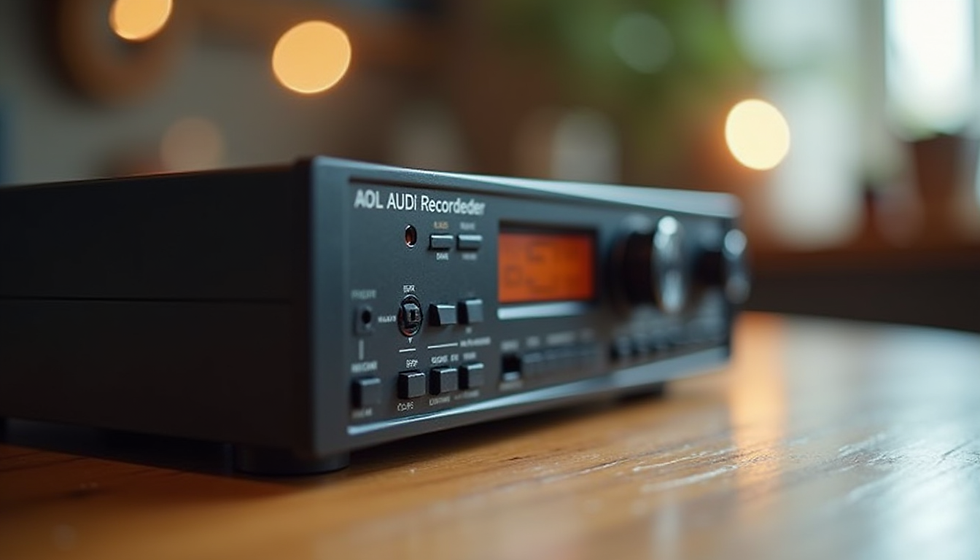
Electronic voice phenomena (EVP) are sounds or voices captured on audio recordings that are not heard during the recording session. Investigators use digital recorders to capture ambient sounds and later analyze them for unexplained voices or noises.
Placement: Recorders are placed in areas of reported activity.
Analysis: Audio is reviewed with software to isolate potential EVPs.
Example: Zoom H1n recorder is favored for its high-quality sound capture and portability.
Infrared and Full-Spectrum Cameras
Visual evidence is crucial in paranormal investigations. Infrared (IR) cameras capture images in low light or complete darkness by detecting heat signatures. Full-spectrum cameras capture light beyond the visible spectrum, including ultraviolet and infrared, potentially revealing anomalies invisible to the naked eye.
Infrared Cameras: Detect temperature differences, useful for spotting cold spots or heat signatures.
Full-Spectrum Cameras: Capture a wider range of light, sometimes revealing orbs or figures.
Example: The Sony A7S series is a popular full-spectrum camera among investigators.
Thermal Imaging Cameras
Thermal cameras detect heat patterns and temperature variations. Paranormal investigators use these to identify cold spots or heat anomalies that might indicate a presence.
Function: Visualize temperature differences in real time.
Use: Scan rooms or objects for unusual thermal patterns.
Example: FLIR One thermal camera attaches to smartphones for convenient use.
Motion Sensors and Laser Grids
Motion sensors detect movement in a space, alerting investigators to unexplained activity. Laser grids project a pattern of laser dots across a room; if the pattern is disrupted, it indicates movement.
Motion Sensors: Passive infrared sensors detect body heat or movement.
Laser Grids: Provide a visual indicator of movement in a defined area.
Example: Simple PIR motion detectors combined with laser grids help monitor rooms during investigations.
Other Tools
Spirit Boxes: Devices that scan radio frequencies rapidly, believed to allow spirits to communicate through white noise.
Geiger Counters: Occasionally used to detect radiation spikes, which some associate with paranormal activity.
Flashlights and Headlamps: Essential for navigating dark environments safely.
Equipment Used by Parapsychologists
Parapsychologists study psychic phenomena such as telepathy, clairvoyance, psychokinesis, and other extrasensory perceptions. Their equipment supports controlled experiments and data collection to understand these phenomena scientifically.
Random Number Generators (RNGs)
RNGs produce sequences of numbers that are statistically random. Parapsychologists use RNGs to test psychokinesis by asking participants to influence the output.
Purpose: Measure if human intention can affect random processes.
Setup: Controlled environments with repeated trials.
Example: Devices like the REG (Random Event Generator) are common in research labs.
Electroencephalogram (EEG) Machines
EEGs record electrical activity in the brain. Parapsychologists use EEGs to study brainwave patterns during psychic experiences or altered states of consciousness.
Use: Monitor brain activity during meditation, telepathy tests, or trance states.
Data: Helps correlate brain patterns with reported psychic events.
Example: Portable EEG headsets allow for field studies outside the lab.
Galvanic Skin Response (GSR) Sensors
GSR sensors measure changes in skin conductivity caused by sweat gland activity, which correlates with emotional arousal. These sensors help parapsychologists track physiological responses during psychic experiments.
Use: Detect emotional reactions to stimuli or during telepathic communication tests.
Example: Finger or palm sensors connected to data loggers.
Psychokinesis Testing Devices
Specialized equipment measures subtle physical effects that might result from psychokinesis, such as micro-movements or changes in magnetic fields.
Examples: Pendulums, microbalances, or magnetometers.
Purpose: Detect physical influence without direct contact.
Controlled Environment Chambers
To reduce external variables, parapsychologists often use shielded rooms or Faraday cages to block electromagnetic interference during experiments.
Benefit: Ensures data integrity by isolating the subject from environmental noise.
Use: Critical for experiments involving sensitive electronic equipment.
How These Tools Fit Together in Paranormal Investigation
Paranormal investigation often combines the practical tools of investigators with the scientific methods of parapsychologists. While investigators focus on capturing evidence in the field, parapsychologists analyze phenomena under controlled conditions.
Field Work: Investigators use EMF meters, cameras, and recorders to document activity in haunted locations.
Data Analysis: Parapsychologists apply scientific tools like EEGs and RNGs to test hypotheses about psychic phenomena.
Collaboration: Some teams include both investigators and parapsychologists to cover both evidence collection and experimental validation.
Purpose: Together, these tools help build a clearer picture of paranormal events, separating natural explanations from unexplained phenomena.
Practical Example: Investigating a Haunted House
An investigation might begin with EMF meters and thermal cameras scanning rooms for anomalies. Digital recorders capture ambient sounds overnight. If unusual activity is detected, a parapsychologist might conduct controlled tests with EEG monitoring to study participants’ brain activity during encounters. Motion sensors and laser grids track movement, while spirit boxes attempt communication.
This combination of equipment and expertise increases the chances of gathering meaningful data and understanding the nature of the phenomena.
Challenges and Limitations of Paranormal Equipment
While technology aids investigations, it also has limitations:
False Positives: EMF meters can pick up electrical wiring or appliances, causing misleading readings.
Subjectivity: Audio and visual evidence often require interpretation, which can be biased.
Environmental Factors: Temperature changes, drafts, and natural sounds can mimic paranormal signs.
Scientific Scrutiny: Parapsychological experiments face challenges in reproducibility and acceptance in mainstream science.
Investigators and parapsychologists must use equipment carefully, combining multiple tools and methods to strengthen their findings.
Final Thoughts on Paranormal Investigation Equipment
The tools used by paranormal investigators and parapsychologists provide valuable ways to explore the unknown. EMF meters, digital recorders, and thermal cameras help capture evidence in the field, while EEGs, RNGs, and GSR sensors support scientific study of psychic phenomena. Together, these devices form a toolkit that balances practical investigation with experimental rigor.
Anyone interested in paranormal research should understand the purpose and limitations of each tool. Using equipment thoughtfully and critically increases the chance of uncovering genuine phenomena and contributes to a deeper understanding of the mysteries that surround us.


Comments