top of page
FullLogo_Transparent_NoBuffer.png

Understanding Parapsychology: A Scientific Approach to the Paranormal

Updated: May 5

Parapsychology is the study of phenomena that seem to go beyond the scope of traditional scientific understanding. This includes experiences like telepathy, clairvoyance, psychokinesis, and hauntings. Parapsychologists aim to investigate these phenomena using scientific methods, trying to separate genuine occurrences from misinterpretations or hoaxes.


Unlike popular "ghost hunting," which often relies on anecdotal evidence or dramatic recordings, parapsychology attempts to apply controlled experiments and rigorous data collection. The goal is to understand if and how these phenomena exist and what mechanisms might explain them.


Who Are Parapsychologists?


Parapsychologists are researchers trained in psychology, physics, or related fields who focus on studying paranormal phenomena. They often work in academic or research settings, publishing their findings in journals dedicated to parapsychology and related disciplines.


Many parapsychologists hold advanced degrees and use experimental designs similar to those in mainstream science. Their work involves:


  • Designing experiments to test psychic abilities or paranormal claims.

  • Collecting and analyzing data from controlled studies.

  • Investigating reports of hauntings or unexplained events with scientific tools.

  • Collaborating with other scientists to explore the boundaries of human perception.


The Role of Parapsychologists in Paranormal Investigation


Paranormal investigation is a broad field that includes hobbyists, ghost hunters, and scientific researchers. Parapsychologists occupy a niche focused on the scientific study of paranormal claims. Their role differs from that of typical ghost hunters in several ways:


  • Scientific Approach: Parapsychologists use controlled experiments and statistical analysis rather than relying solely on anecdotal evidence.

  • Skeptical Inquiry: They maintain a critical perspective, seeking to rule out natural explanations before considering paranormal ones.

  • Theory Development: Parapsychologists work to develop theories that explain paranormal phenomena, contributing to a deeper understanding rather than just documenting events.

  • Collaboration: They often collaborate with other scientists, psychologists, and sometimes paranormal investigators to gather comprehensive data.


This scientific foundation helps bring credibility to paranormal investigation and encourages more rigorous standards in the field.


Tools and Methods Used by Parapsychologists


Parapsychologists use a variety of tools and methods to study paranormal phenomena. These include:


  • Random Number Generators (RNGs): Used to test psychokinesis by seeing if a person can influence random outcomes.

  • Electromagnetic Field (EMF) Meters: Measure fluctuations in electromagnetic fields, which some believe correlate with paranormal activity.

  • Psychophysiological Monitoring: Tracking heart rate, skin conductance, and brain waves to study responses during paranormal experiences.

  • Controlled Experiments: Testing claims like telepathy or precognition under laboratory conditions.

  • Field Investigations: Visiting locations with reported hauntings to collect data using scientific instruments.


By combining these methods, parapsychologists aim to gather objective evidence and reduce bias.


Examples of Parapsychology in Action


Several well-documented studies and investigations highlight how parapsychologists contribute to paranormal research:


  • Ganzfeld Experiments: These tests study telepathy by placing participants in sensory-reduced environments and measuring their ability to receive information mentally. Results have shown statistically significant effects, though they remain controversial.

  • Haunted Location Studies: Parapsychologists have investigated famous haunted sites, such as the Enfield Poltergeist case in England, using scientific equipment to monitor environmental changes and witness reports.

  • Near-Death Experience Research: Some parapsychologists study accounts of near-death experiences to understand consciousness beyond physical death.


These examples show how parapsychology bridges anecdotal reports and scientific inquiry.


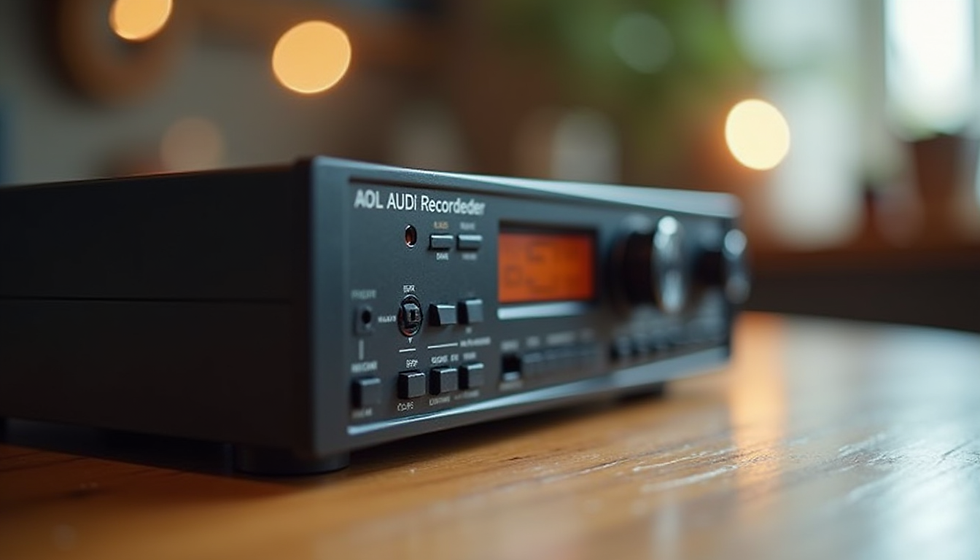
Close-up view of scientific instruments used in paranormal research, including EMF meters and audio recorders
Scientific equipment used in parapsychology for paranormal investigations

Challenges Faced by Parapsychologists


Parapsychologists face several challenges that affect their work and the acceptance of their findings:


  • Skepticism from Mainstream Science: Many scientists view parapsychology as pseudoscience due to difficulties replicating results and the elusive nature of paranormal phenomena.

  • Funding and Resources: Limited funding restricts large-scale studies and access to advanced equipment.

  • Public Misconceptions: The popular portrayal of paranormal investigation often conflicts with the scientific approach of parapsychologists, leading to misunderstandings.

  • Complexity of Phenomena: Paranormal events are often unpredictable and difficult to study under controlled conditions.


Despite these obstacles, parapsychologists continue to refine their methods and seek credible evidence.


How Paranormal Investigators Can Benefit from Parapsychology


Paranormal investigators who want to improve their credibility and effectiveness can learn from parapsychology by:


  • Adopting Scientific Methods: Using controlled experiments and careful data analysis to support claims.

  • Documenting Evidence Thoroughly: Keeping detailed records and using reliable instruments.

  • Maintaining Skepticism: Questioning all findings and considering natural explanations first.

  • Collaborating with Experts: Working with parapsychologists or scientists to validate results.


This approach helps separate genuine phenomena from misinterpretations and builds trust with the public.


The Future of Parapsychology and Paranormal Investigation


As technology advances, parapsychologists have new opportunities to explore paranormal phenomena with better tools and data analysis techniques. Artificial intelligence, improved sensors, and brain imaging may reveal insights previously out of reach.


Greater collaboration between parapsychologists and paranormal investigators could also lead to more rigorous investigations and a clearer understanding of unexplained events. This partnership might help paranormal research gain wider acceptance and contribute to knowledge about human consciousness and perception.


In conclusion, the intersection of parapsychology and paranormal investigation offers a rich landscape for exploration. By embracing scientific methods and fostering collaboration, we can deepen our understanding of the unknown. If you're interested in learning more about these fascinating topics, feel free to reach out to me at ghostlyinsights@gmail.com.


Recent Posts

See All

Comments

Rated 0 out of 5 stars.
No ratings yet

Add a rating
bottom of page