top of page
FullLogo_Transparent_NoBuffer.png

Understanding Residual Hauntings and Their Historical Roots

Residual hauntings have fascinated people for centuries. These mysterious phenomena often appear as repetitive, non-interactive events that seem to replay moments from the past. Unlike intelligent hauntings, where spirits appear to respond or communicate, residual hauntings act more like recordings, playing over and over without awareness of the present. Exploring the history and nature of residual hauntings helps us better understand these eerie experiences and their place in folklore and paranormal study.


Eye-level view of an old Victorian house with dim lighting and fog surrounding it
Victorian house often associated with residual hauntings

What Are Residual Hauntings?


Residual hauntings are a type of paranormal activity where a specific event or series of events seems to be imprinted on a location. These hauntings do not involve conscious spirits or entities interacting with the living. Instead, they are like echoes or recordings of past moments that replay under certain conditions.


Key characteristics of residual hauntings include:


  • Repetitive actions or sounds, such as footsteps, voices, or movements

  • Lack of interaction with observers

  • Occurrence at specific times or locations

  • No response to attempts at communication


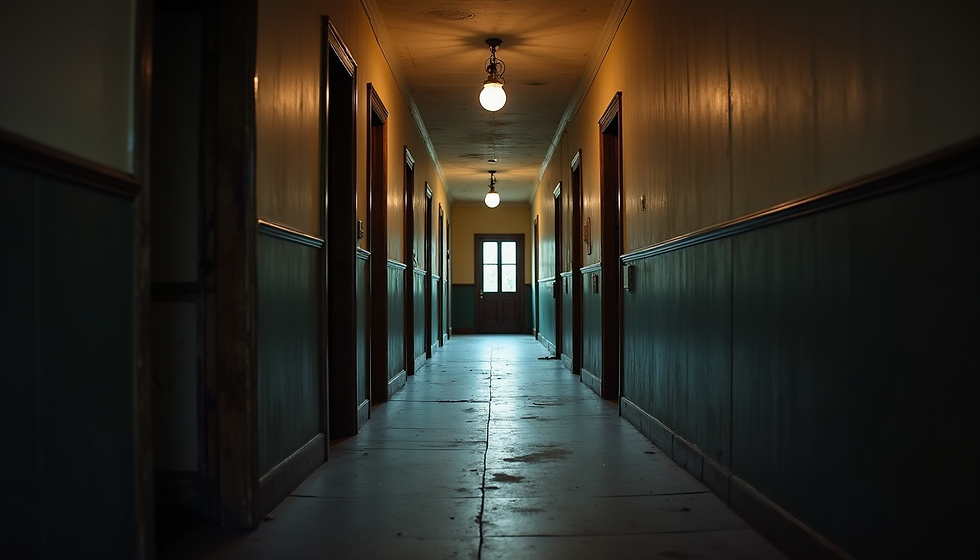
For example, a person might hear the same footsteps walking down a hallway every night at the same hour, or see a figure performing the same action repeatedly without acknowledging anyone present.


Historical Accounts of Residual Hauntings


Stories of residual hauntings date back centuries and appear in many cultures worldwide. Early records often describe ghostly apparitions or sounds tied to tragic or significant events. These accounts suggest that people have long believed that intense emotions or traumatic moments could leave an imprint on the environment.


Ancient Civilizations and Residual Phenomena


  • Ancient Egypt: Some hieroglyphs and texts hint at spirits lingering in tombs, but more often, they describe places where past events replay as echoes rather than active hauntings.

  • Roman Empire: Roman writers like Pliny the Younger documented ghost stories that resemble residual hauntings, where spirits seemed unaware of the living.

  • Medieval Europe: Folklore from this period often includes tales of “phantoms” or “specters” repeating actions, such as knights marching or battles replaying on fields.


These stories helped shape the early understanding of hauntings as phenomena tied to specific locations rather than wandering spirits.


How Residual Hauntings Are Explained


Several theories attempt to explain residual hauntings, blending folklore, psychology, and environmental science.


The Stone Tape Theory


One popular explanation is the Stone Tape Theory. It suggests that certain materials, like stone or wood, can absorb and store energy from intense emotional or physical events. This energy then "plays back" like a tape recording under the right conditions. This theory gained traction in the 1970s after a BBC drama called The Stone Tape popularized the idea.


Environmental Factors


Environmental conditions may trigger residual hauntings. For example:


  • Electromagnetic fields (EMF) might influence brain activity, causing people to perceive sounds or images.

  • Temperature changes can create sensations of cold spots often reported in haunted locations.

  • Sound waves bouncing off surfaces can create echoes that mimic footsteps or voices.


Psychological Influences


Human perception plays a role in interpreting residual hauntings. Our brains are wired to recognize patterns and faces, sometimes leading to false positives or illusions. Memory and suggestion can also influence what people experience in places with a haunted reputation.


Famous Examples of Residual Hauntings


Several well-known locations have reported residual hauntings that have become part of their history and appeal.


The Tower of London


The Tower of London is famous for ghost stories, many of which describe repetitive hauntings. Witnesses have reported seeing the same figures, such as Anne Boleyn or the Princes in the Tower, appearing in the same spots repeatedly without interaction.


The Myrtles Plantation, Louisiana


This plantation is often called one of the most haunted homes in America. Visitors report seeing ghostly figures performing the same actions, like a woman walking down a hallway or children playing, which fits the pattern of residual hauntings.


High angle view of an old plantation house surrounded by trees and mist
Historic plantation house linked to residual hauntings

How to Identify Residual Hauntings


If you suspect a location has a residual haunting, look for these signs:


  • Repeated events that happen the same way each time

  • No response or change when observers try to interact

  • Sounds or sights tied to a specific time or place

  • Lack of emotional or intelligent behavior from the apparition


Using recording devices or cameras can help capture these phenomena, but keep in mind that residual hauntings often lack the interactive qualities that make intelligent hauntings more dynamic.


The Role of Residual Hauntings in Culture and Media


Residual hauntings have inspired countless stories, movies, and books. Their repetitive, non-interactive nature creates a chilling atmosphere that taps into human fascination with the past and the unknown.


Examples include:


  • Films like The Others and The Ring use residual hauntings to build suspense.

  • Literature often features ghostly echoes of past tragedies to deepen plot and mood.

  • Paranormal investigations frequently focus on capturing residual activity as evidence.


These stories keep the idea of residual hauntings alive in popular culture, blending history with mystery.


Practical Tips for Exploring Residual Hauntings


If you are interested in investigating or learning more about residual hauntings, consider these tips:


  • Research the history of the location to understand what events might be imprinted.

  • Visit at different times to observe patterns in the activity.

  • Use audio and video equipment to document repetitive phenomena.

  • Keep an open but critical mind, considering natural explanations.

  • Respect the site and any local beliefs or customs.


Understanding the context and history behind residual hauntings can enrich your experience and provide deeper insights.


Recent Posts

See All

Comments

Rated 0 out of 5 stars.
No ratings yet

Add a rating
bottom of page